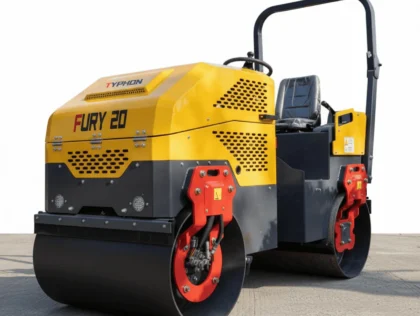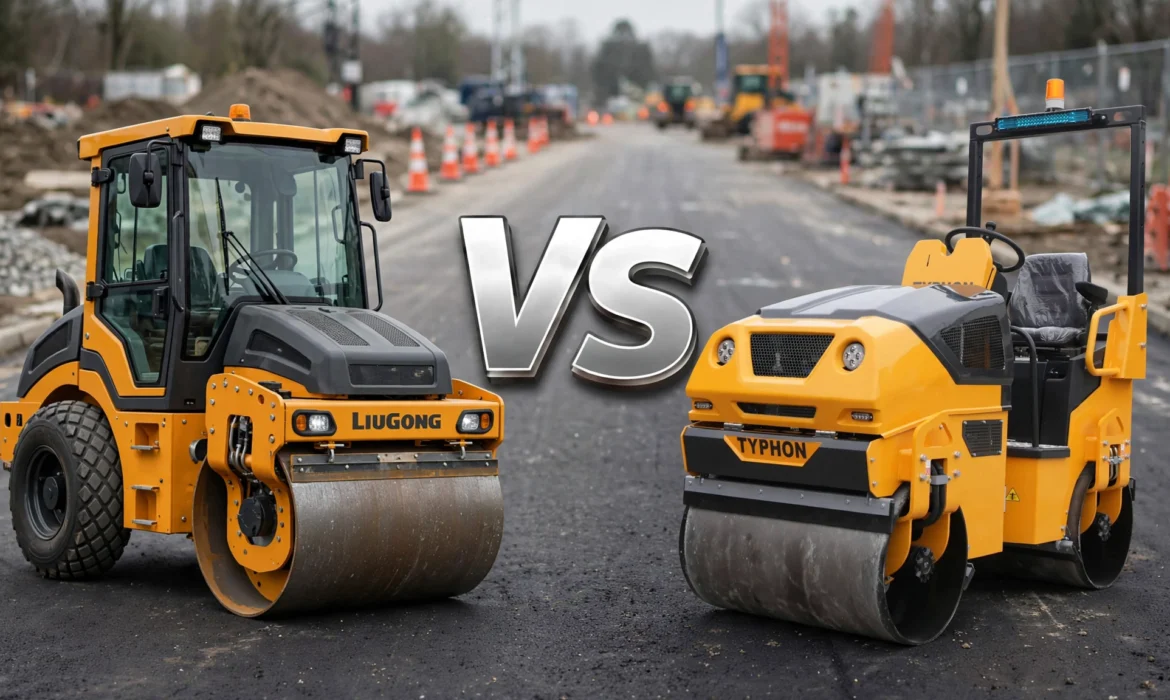
Single Drum vs Double Drum Roller: 7 Critical Differences That Determine Your Choice
You need a road roller for your next project. You walk onto the jobsite and see two options. Single drum roller. Double drum roller. Both look similar. Both compact material. But they are not the same.
Choosing the wrong one costs you time. It costs you money. It gives you poor compaction results. When facing the Single Drum vs Double Drum Roller decision, you must know what each machine does best. A deeper look at the Single Drum vs Double Drum Roller matchup is vital. This guide breaks down 7 critical differences. You will know exactly which roller fits your job, helping you figure out how to choose the best vibratory roller.
☰ Table of Contents
- Difference 1: Understanding the Single Drum vs Double Drum Roller Setup
- Difference 2: Compaction Efficiency
- Difference 3: Maneuverability
- Difference 4: Terrain Capability
- Difference 5: Drum Types Available
- Difference 6: Application Suitability
- Difference 7: Operator Comfort and Control
- Real Contractor Experiences
- How to Choose Based on Your Project
- Benefits Overview
- Single Drum vs Double Drum Roller FAQ
- Maintenance Differences
- Weight and Transport Differences
- When to Rent vs Buy & Mistakes
- Technical Specifications to Check
Difference 1: Number of Drums
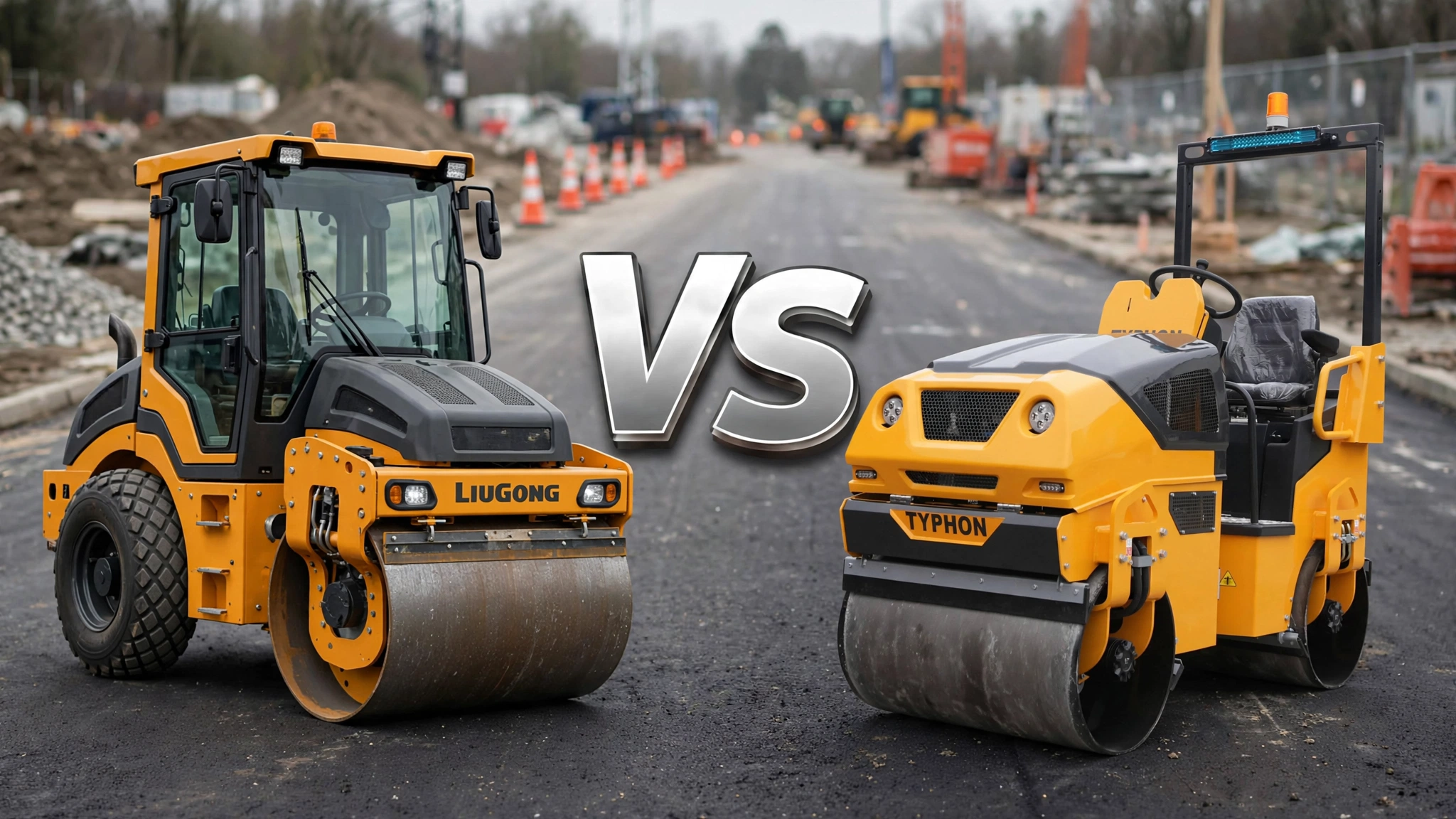
The basic difference is simple, but understanding the Single Drum vs Double Drum Roller design is your first step. A single drum roller has one large steel drum at the front. It has two pneumatic wheels at the back. The wheels provide traction and stability. The drum does the compaction.
A double drum roller has two steel drums. One at the front. One at the rear. No tires. Both drums roll and compact simultaneously. The design is sometimes called a tandem roller. Each drum compacts the surface as the machine moves forward and backward.
This Single Drum vs Double Drum Roller difference affects everything else. The number of drums determines how the machine handles. It determines where you can use it. It determines how fast you finish the job.
Difference 2: Compaction Efficiency
Double drum rollers compact faster. Two drums work at the same time. Each pass does double the work. You need fewer passes to reach target density.
A single drum roller needs more passes. One drum works per pass. You go over the same area multiple times. The compaction process takes longer.
On a large highway project, a double drum roller saves hours. On a small driveway, the difference is less noticeable. The Single Drum vs Double Drum Roller choice depends on your project size.
Difference 3: Maneuverability
When looking at Single Drum vs Double Drum Roller maneuverability, single drum rollers are more agile. The rear wheels provide better traction. You can turn in tighter spaces. You can work on uneven terrain. The wheels grip loose soil and slopes.
Double drum rollers have less traction. The drums act as wheels. No tires to grip the ground. They work best on flat, stable surfaces. Tight turns are harder. Sloped sites are challenging.
For residential driveways and tight urban sites, a single drum roller works better. For wide open roads and parking lots, a double drum roller is fine.
Difference 4: Terrain Capability
Single drum rollers handle varied terrain. The tires provide traction on loose soil. The drum compacts the material. The machine moves across uneven ground without issues.
Double drum rollers are terrain specific. They work on flat, stable surfaces. Roads. Parking lots. Airports. They struggle on rough or sloping ground.
In the Single Drum vs Double Drum Roller comparison, terrain is a key factor. If your site has slopes or soft spots, choose single drum. If the site is flat and hard, double drum works.
Difference 5: Drum Types Available
Single drum rollers offer more drum options. You can fit a smooth drum for granular materials. Sand, gravel, limestone. You can fit a padfoot or sheepsfoot drum for cohesive soils. Clay, silt, mud.
Double drum rollers usually have smooth drums. They are designed for asphalt and granular materials. Padfoot options are rare on tandem rollers.
This is a significant Single Drum vs Double Drum Roller difference. If you work with clay or muddy soil, a padfoot drum is essential. A single drum roller gives you that option.
Difference 6: Application Suitability
Single drum rollers are versatile. They work for soil compaction. They work for gravel and granular materials. They help with site preparation. They level ground for foundations. They compact driveways and parking lots.
Double drum rollers specialize in asphalt. They are the standard for road paving. They produce smooth surfaces. They are used for final finish work on highways and parking lots.
The ultimate Single Drum vs Double Drum Roller choice depends on your primary material. Soil and gravel require single drum. Asphalt requires double drum.
Difference 7: Operator Comfort and Control
Single drum rollers have better visibility. The operator sits high. The view of the drum is clear. You see exactly where you are compacting. You avoid obstacles.
Double drum rollers have lower visibility. The operator sits between the drums. The view is partially blocked. You rely more on mirrors and experience.
Single drum rollers also have better ride quality when comparing Single Drum vs Double Drum Roller comfort. The pneumatic wheels absorb bumps. The ride is smoother over rough terrain. Double drum rollers transfer more vibration to the operator. The ride is harsher.
Real Contractor Experiences
Real contractor experiences highlight the Single Drum vs Double Drum Roller contrast. A contractor in Texas uses a single drum roller for site prep. He works on residential foundations. The site is rough. There are rocks and debris. His single drum roller handles it well. He tried a double drum roller once. It bounced too much. He went back to single drum.
A paving contractor in Florida uses a double drum roller for asphalt. He does parking lots and road repairs. The double drum gives a smooth finish. He does not need a single drum roller for his work.
A contractor in California uses both. He uses a single drum roller for soil base. He uses a double drum roller for asphalt surface. He said each has its place. He cannot do one job with the other.
How to Choose Based on Your Project
How to finalize your Single Drum vs Double Drum Roller project choice:
- Consider your material: Soil and granular materials need a single drum roller. Asphalt needs a double drum roller.
- Consider your terrain: Rough and sloped sites need a single drum roller. Flat and stable sites work with either.
- Consider your project size: Large road jobs need double drum efficiency. Small driveways work with single drum.
- Consider your budget: Single drum rollers are generally less expensive than double drum rollers. Double drum rollers cost more upfront.
Benefits Overview
Benefits of single drum rollers:
Versatile. Works on multiple materials.
Handles rough terrain.
Accepts different drum types.
Better traction on slopes.
Lower initial cost.
Good for site preparation.
Benefits of double drum rollers:
Faster compaction.
Fewer passes needed.
Better for asphalt surfaces.
Smoother final finish.
Efficient on large flat jobs.
Reduced compaction time.
Common Single Drum vs Double Drum Roller Questions
Which roller is better for clay soil?
Single drum roller with a padfoot drum. The padfoot penetrates and kneads the clay. In any Single Drum vs Double Drum Roller debate about clay, double drum rollers with smooth drums do not work well.
Which roller is better for gravel?
Both work. Single drum with smooth drum works well. Double drum with smooth drum also works well. Choose based on other site conditions.
Which roller is better for slopes?
Single drum roller. The rear wheels provide better traction on slopes. Double drum rollers tend to slide on slopes.
Which roller is more expensive?
Double drum rollers cost more. More drums. More hydraulic systems. More complexity. Single drum rollers are simpler and more affordable.
Maintenance Differences
Single drum rollers have simpler maintenance. One drum. Two wheels. Easier access to components. Fewer hydraulic parts.
Double drum rollers have more complex maintenance. Two drums. More bearings. More hydraulic lines. More parts to inspect and replace.
In the Single Drum vs Double Drum Roller comparison, maintenance costs are lower for single drum rollers.
Weight and Transport Differences
The Single Drum vs Double Drum Roller weight difference means single drums are lighter. Easier to trailer. Less strain on your truck. You can tow them with a lighter vehicle.
Double drum rollers are heavier. They need larger trailers. They need more powerful trucks to move them. If you move between jobsites frequently, a single drum roller is easier to transport.
When to Rent vs Buy & Common Mistakes
Your Single Drum vs Double Drum Roller rental strategy should be: Rent a single drum roller for occasional soil jobs. Rent a double drum roller for asphalt projects. Buy if you use it frequently.
Rental yards often stock both types. They can advise you based on your specific project. Many first-time buyers rent both types to test them.
Common Single Drum vs Double Drum Roller mistakes when choosing:
- Buying a double drum roller for soil work. It will not work well. You will be frustrated.
- Buying a single drum roller for large asphalt jobs. It will take too long. You will lose productivity.
- Not considering terrain. If your site has slopes, a double drum roller may be unsafe.
- Ignoring drum type. A smooth drum on clay gives poor results. A padfoot drum on gravel gives poor results.
Technical Specifications to Check
Before finalizing your Single Drum vs Double Drum Roller purchase, check these specs.
For single drum rollers:
Drum width. Drum diameter. Excitation force. Frequency. Amplitude. Operating weight. Engine power. Tire size.
For double drum rollers:
Drum width. Drum diameter. Excitation force. Frequency. Amplitude. Operating weight. Engine power. Drum overlap.
These specs affect your compaction results. Compare them carefully.
Top Uses Comparison
Top single drum roller uses:
- Soil compaction for foundations.
- Gravel compaction for driveways.
- Trench backfill compaction.
- Site preparation for buildings.
- Road base compaction.
- Landfill compaction with padfoot drum.
Top double drum roller uses:
- Asphalt road paving.
- Parking lot construction.
- Airport runway surfaces.
- Bike path paving.
- Final finish on asphalt surfaces.
- Thin asphalt overlays.
Stop guessing which machine fits your project. Pick the right roller that maximizes compaction density and cuts your jobsite time in half.
View the Heavy-Duty TYPHON Series Today